
Benefits of NAC, or N-acetylcysteine
Share
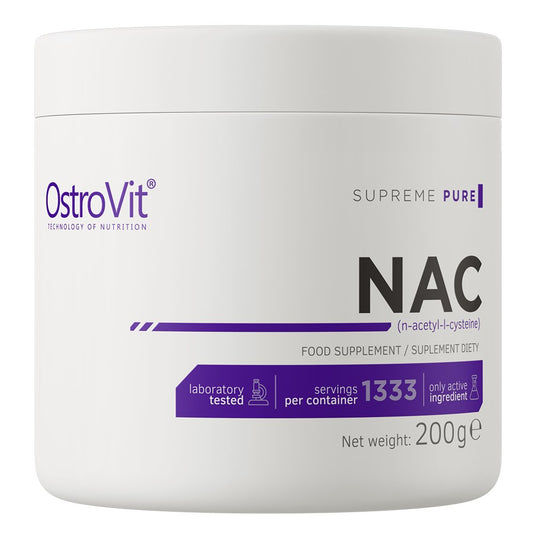
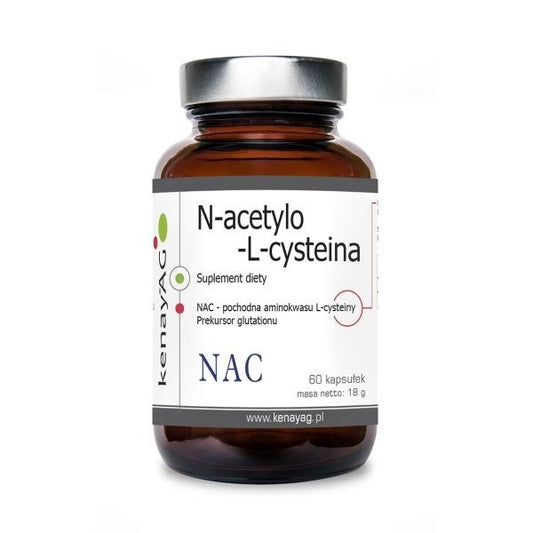
NAC, or N-acetylcysteine, is a powerful compound with numerous health benefits. N-acetylcysteine (NAC) is an amino acid derivative of cysteine. The body produces some cysteine naturally, but due to its many advantages, NAC has a justified role as occasional support alongside a basic diet.
Cysteine is especially needed for the formation of glutathione, the body’s strongest antioxidant. Antioxidants are vital for the body’s defense system and cellular health. They protect the body from oxidation caused by free radicals.
Health Benefits of NAC
NAC is not a miracle cure, but its biological role in antioxidant production and potential health effects has attracted much interest from researchers and the health community. Here are some observed benefits of NAC.
1. Liver Detoxification
NAC enhances the detoxification of harmful substances in the liver. It helps remove dangerous substances from the liver. NAC is approved for medical use in cases of acetaminophen poisoning that threaten liver and kidney function.
2. Building Block for Important Antioxidants
NAC is a building block of the antioxidant glutathione. Other components are also needed for glutathione formation, but cysteine is the least abundant amino acid in the body. Antioxidants boost immunity and help the body’s defense system fight harmful cellular changes. They protect cells from oxidative stress and remove harmful substances from cells. Oxidative stress is linked to many diseases and bodily imbalances, so reducing it is a good starting point for overall health.
3. Support for Respiratory Health
N-acetylcysteine (NAC) is primarily known in medicine as a mucolytic, meaning it breaks down mucus. It has been used for decades especially in respiratory diseases. From a respiratory health perspective, NAC is one of the few supplements with a medical usage history.
NAC is used medically as a cough medicine because it effectively loosens mucus. The glutathione antioxidant is also associated with treating bronchial inflammation, and NAC efficiently boosts glutathione production. NAC has been found helpful in treating bronchitis, among other conditions.
How Does NAC Loosen Mucus?
Mucus consists of long protein chains linked by so-called disulfide bonds. NAC breaks these bonds and makes the mucus more fluid. This helps mucus to be expelled, for example, by coughing. When mucus is no longer thick and sticky, breathing feels easier and the lungs clear more effectively.
4. Balances Blood Sugar
Inflammation in tissues can lead to insulin resistance, according to studies. Insulin resistance means tissues have a reduced ability to absorb sugar. This raises blood sugar levels and increases the risk of developing type 2 diabetes.
NAC may help balance blood sugar levels by reducing inflammation in fat cells. The connection between NAC and reduced insulin resistance has been studied, and research continues.
5. Fertility, PCOS
The relationship between NAC and fertility in both men and women has been studied. Encouraging results have been found, as NAC’s ability to reduce harmful oxidative stress in cells is linked to improved fertility. Some studies have shown benefits of NAC for both male and female fertility, such as improving sperm quality and alleviating PCOS symptoms.
6. Mood and Neurology
In addition to supporting glutathione formation, cysteine is involved in regulating the brain neurotransmitter glutamate. It has shown potential effects in treating neurological disorders. Cysteine may also help in psychiatric treatments. It balances the glutamate and glutathione ratio in the brain among people with schizophrenia, bipolar disorder, OCD, and depression. NAC may help reduce inflammation, which is associated with improved mood.