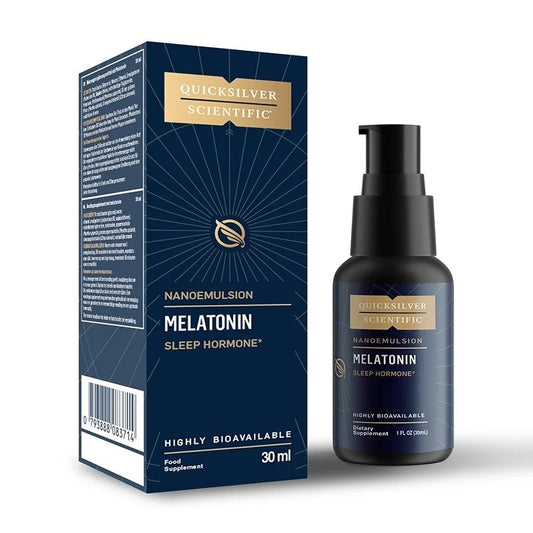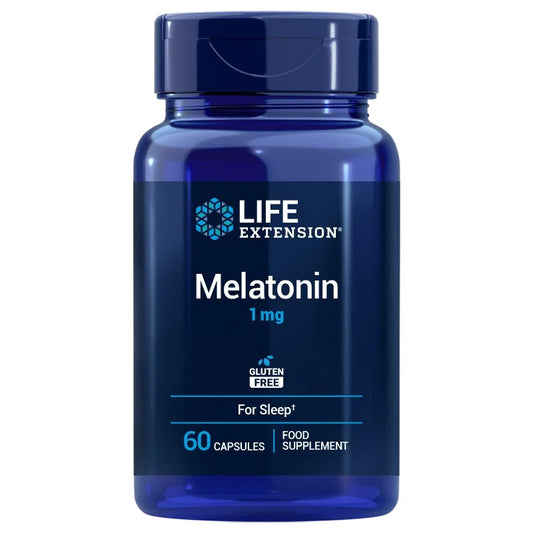

Melatonin - what it is and how to use it?
Share
Melatonin is the body's own hormone that regulates the circadian rhythm and helps us naturally transition toward sleep. Its secretion increases as evening darkens and decreases at dawn. That is why melatonin is often called the "darkness hormone."
Melatonin primarily affects falling asleep and sleep rhythm balance, but it also plays a role in regulating body temperature, metabolic rhythms, and immune system function.
What is melatonin used for as a supplement?
Melatonin is especially used in situations where the sleep rhythm is disturbed or falling asleep is difficult. Typical uses include:
- Difficulty falling asleep
- Jet lag
- Sleep rhythm changes caused by shift work
- Temporary insomnia due to stress or life situations
Melatonin is not a sleeping pill; it supports the body's internal clock and signals to relax toward sleep. Compared to sleeping pills, it is a natural sleep aid and does not cause so-called chemical sleep.
How to use melatonin correctly
The effectiveness of melatonin is based on correct timing and moderate dosage.
- Melatonin is usually recommended to be taken even 1-2 hours before bedtime. However, check the manufacturer's instructions, as products vary. Melatonin often starts to work within 30-90 minutes.
- Small doses are sufficient for most people. When you create favorable conditions for falling asleep, melatonin works best. A regular sleep schedule and calm evening routines enhance its effect.
- Avoid bright light in the evening and increase light exposure in the morning to keep your body's natural rhythm balanced.
If you have concerns about use or if sleep difficulties persist, it is good to consult a healthcare professional.
Possible side effects
Melatonin is generally well tolerated, but as with all products, some users may experience mild side effects. These include headaches, dizziness, and mild morning tiredness. Vivid and intense dreams have also been reported. Side effects are usually mild and temporary. According to studies, melatonin is well tolerated and safe when used correctly.
Short-term vs. long-term use – which is better?
Short-term use
- Generally safe.
- Suitable, for example, for jet lag or temporary difficulties falling asleep.
Long-term use
- Current research does not indicate significant health risks.
- Usage should still be regularly evaluated to ensure that the underlying causes of sleep difficulties are not left unexplored.
The general recommendation is to start with short-term use and consider long-term use on a case-by-case basis and only under a doctor's advice.
Does melatonin supplementation reduce the body's own production?
This is a common concern, but research evidence is reassuring. Research suggests that using melatonin as a supplement does not permanently stop the body's own melatonin production. Short-term use usually does not significantly affect natural secretion, but high doses or continuous use can temporarily alter circadian rhythm regulation. Although long-term use of melatonin is not recommended, studies do not indicate permanent impairment of hormone production. Melatonin does not cause dependence.
The body's own melatonin production is primarily based on the cycle of light and darkness, not supplements. Environmental conditions have a greater effect on the body's own melatonin production than taking supplements.
Main types of melatonin products in Finland
1. Regular capsules or liquids (fast-acting)
- The most common form.
- Release melatonin quickly, so the effect typically starts within 30–90 minutes.
- Suitable for difficulty falling asleep.
2. Long-acting tablets
- Release melatonin slowly throughout the night.
- Suitable if the problem is waking up or maintaining sleep.
- See for example Life Extension Melatonin with 6-hour release
3. Chewable gummies
- See for example Labs212 Melatonin gummies and GummyKing melatonin soft chews for children
4. Melatonin sprays (oral sprays)
- Absorbed quickly through the oral mucosa.
- A good option for those who have difficulty swallowing tablets.
- See for example Vitalized melatonin spray
5. Combination products (melatonin + herbs / other ingredients)
- Contain, in addition to melatonin, for example:
- lemon balm
- passionflower
- magnesium
- valerian
- Intended for more comprehensive relaxation.
- See for example Aura Herbals Melatonin & Lemon Balm
6. Jet lag products
- Often lower doses (1 mg).
- See for example Ostrovit Melatonin 1mg
Explore melatonin products below.