
Rescue for dry winter skin – natural oils in skincare
Share
When the frost bites and indoor air dries out, the skin often starts to feel tight and flaky. Especially in winter, the skin needs deep hydration and nourishing ingredients that support its natural protective layer. Natural oils offer an effective and gentle way to care for dry skin, restore its elasticity, and prevent moisture loss. Promising results are often achieved by replacing face creams with pure oil.
Natural oils are in skincare surprisingly versatile – them are not be only “fat on the skin”, only they have is clear, biological effects, which can support skin well-being, when them choose correctly.
In this article, we explain how oils help the skin and introduce four effective oils for winter skin care.
Why use oils in skincare?
Plant oils are natural moisturizers that not only increase skin hydration but also lock it in, preventing dryness. They are rich in beneficial fatty acids, vitamins, and antioxidants that support skin renewal and strengthen its protective mechanisms. Unlike some traditional creams, oils do not contain unnecessary additives or preservatives, making them a gentle option even for sensitive skin.
Oils do not make the skin greasy. In fact, quite the opposite.
1. Oils strengthen the skin’s protective barrier
The outermost layer of the skin, the lipid barrier, consists of fats. When it’s intact, the skin:
- retains moisture
- feels soft and flexible
- irritates less
Oils complement this fat layer and help prevent moisture evaporation.
2. Oils lock in moisture
Oils do not moisturize by themselves, but they lock in existing moisture on the skin. That’s why they work best when applied to damp skin.
3. Oils contain beneficial fatty acids
Different oils have different fatty acid compositions:
- Linoleic acid (omega-6): light, balances sebum production, good for blemished skin
- Oleic acid (omega-9): nourishing, suitable for dry and sensitive skin
- Palmitic and stearic acids: protective and softening
The fatty acid profile determines whether the oil feels light or rich.
4. Oils can contain antioxidants and vitamins
Many oils are naturally full of:
- Vitamin E
- polyphenols
- carotenoids
These help protect the skin from environmental stressors and can support skin renewal.
5. Oils can soothe inflammation
Try for example:
- Rosehip oil
- Hemp seed oil
- Camellia oil
These oils are known for their anti-inflammatory properties. They are often suitable for sensitive, red, or reactive skin.
6. They can balance sebum production
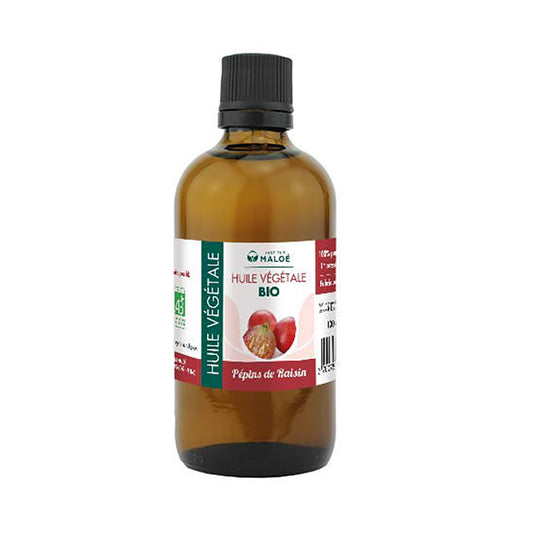
Light, fast-absorbing oils (such as jojoba, grape seed, squalane) can help oily skin because they "signal" the skin not to produce too much sebum.
A few example oils for dry winter skin care
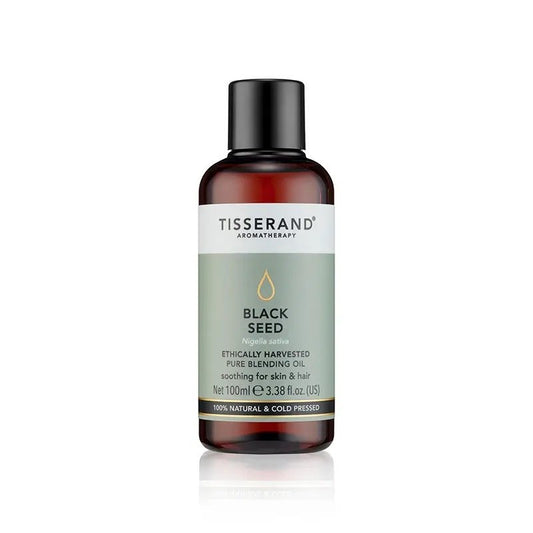
1. Egyptian Black Cumin Oil – Soothing and Protective
Black cumin oil is known for its powerful antioxidant and skin-soothing properties. It contains 100 bioactive compounds, including plenty of linoleic acid and thymoquinone, which help reduce skin irritation and redness. Black cumin oil is especially suitable for dry, irritated, and sensitive skin as it supports the skin’s natural protective barrier and prevents moisture loss.
The seeds contain myristic, palmitic, palmitoleic, and oleic acids, B vitamins, calcium, iron, copper, zinc, and phosphorus. Just to name a few.
Read more about black cumin oil: Why choose black cumin oil?
2. Evening Primrose Oil – Deep Moisturizing and Revitalizing
Evening primrose oil contains plenty of gamma-linolenic acid (GLA), which is especially important for dry and aging skin care. It helps maintain the skin's moisture balance, softens rough skin, and can also relieve skin irritation. Evening primrose oil absorbs well and can be used both under facial cream and on its own.
3. Coconut Oil – Nourishing and Softening
Coconut oil is a versatile oil that softens and nourishes the skin effectively. It contains lauric acid, which helps protect the skin and retain its moisture. Coconut oil is especially suitable for very dry skin but can be too heavy for the face if the skin is prone to clogging. The best way to use coconut oil for winter skin care is to apply it to damp skin after showering.
4. Hemp Oil – Balancing and Renewing
Hemp oil is one of the best oils for maintaining moisture because it contains a perfect balance of omega-3 and omega-6 fatty acids. It absorbs quickly into the skin and helps maintain the skin's natural moisture balance without leaving it feeling greasy. Hemp oil is suitable for all skin types and also helps soothe sensitive skin.
How to Use Oils in Skincare
Oils work best when applied to slightly damp skin, as they help lock moisture into the skin better. You can use oils on their own, mix them into your favorite cream, or add a few drops on top of toner or serum. Additionally, you can use them as part of oil cleansing, which helps gently remove makeup and impurities.
Tips for using oils:
- Add a few drops of oil to your face cream to boost hydration.
- Massage oil directly onto the skin after showering or bathing to lock in moisture.
- Use oils as an overnight treatment by applying them to the skin before bedtime.
- Use light oils like hemp or evening primrose oil under makeup in the morning.
💡 How to incorporate oil into your routine?
Apply to damp skin or on top of moisturizer.
Use 2–4 drops, not a whole palmful.
Choose an oil based on your skin type – not all oils suit everyone.
Find the right oil for your skin
Natural oils offer an effective and gentle way to care for dry winter skin. Each oil has its own unique properties, so it’s worth trying different options to find the one that suits you best.
Explanation of the uses of some oils
Jojoba oil
Jojoba oil has a structure very close to the skin’s natural sebum, which is why it absorbs quickly and doesn’t clog pores. It is especially suitable for oily and combination skin because it helps balance sebum production. Its light texture also makes it a good choice for those who usually don’t like the feel of oils on their skin.
Rosehip oil
Rosehip oil is a renewing and brightening oil, rich in vitamin A derivatives and antioxidants. It is suitable for aging skin, scars, and uneven skin tones. The oil supports skin regeneration and can help smooth fine lines and pigmentation changes.
Almond oil
Almond oil is a gentle, softening, and nourishing oil, ideal for dry and sensitive skin. It soothes irritation and leaves the skin soft without a heavy feeling. Almond oil is also popular for baby skincare due to its mild texture.
Argan oil
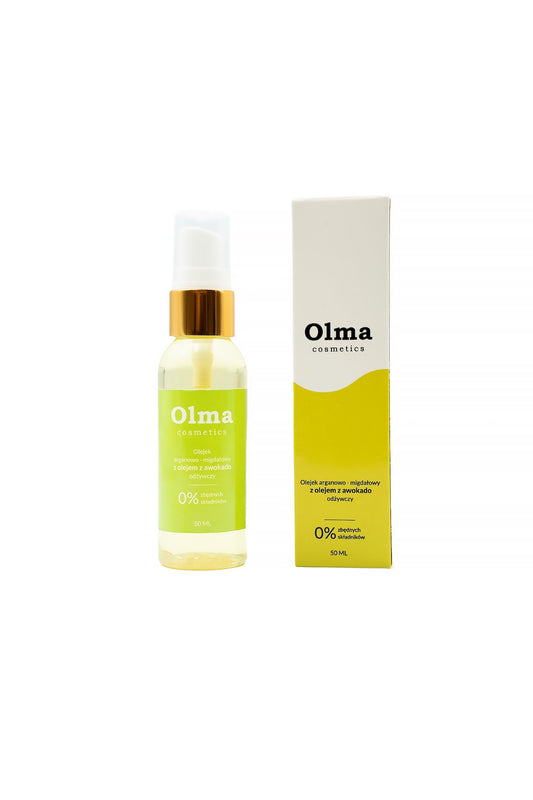
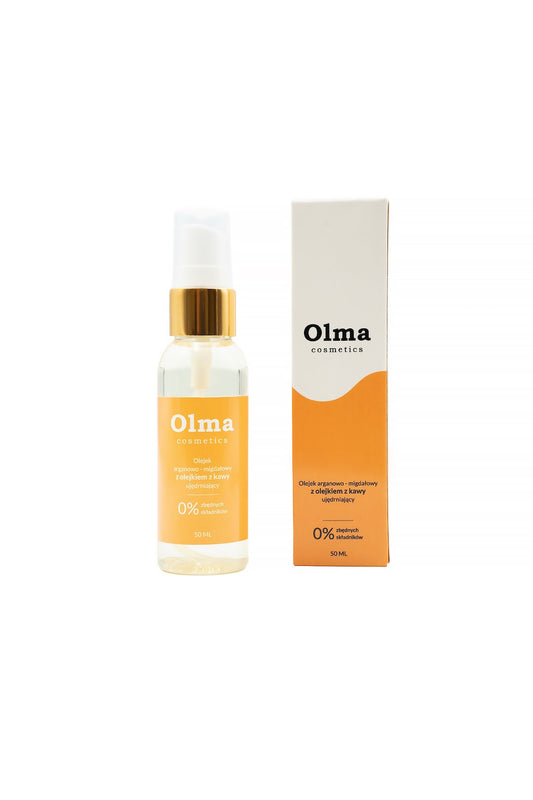
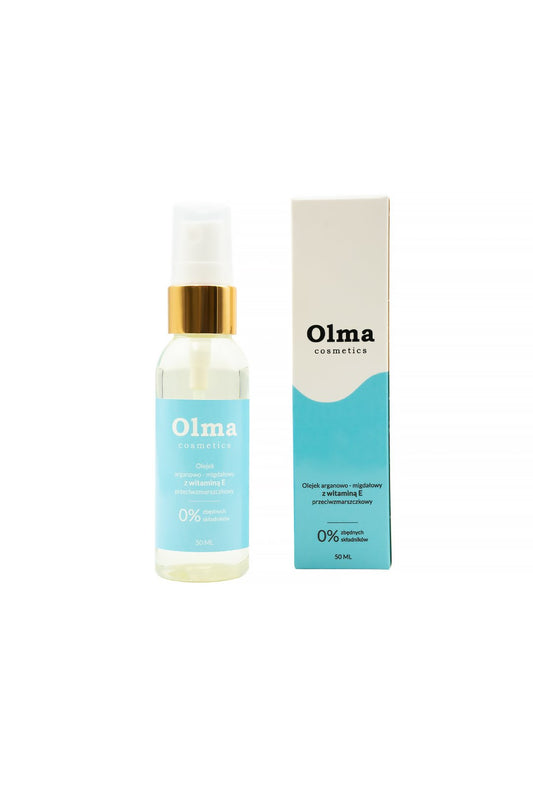
Argan oil is a nourishing and antioxidant-rich oil, especially suitable for dry and aging skin. It softens, protects, and adds elasticity to the skin. Argan oil is a bit richer, so it works well over night cream or during the winter when the skin needs extra protection.
Explore our selection and find the perfect oil for your skin’s needs!