
Essential oils and their use
Share
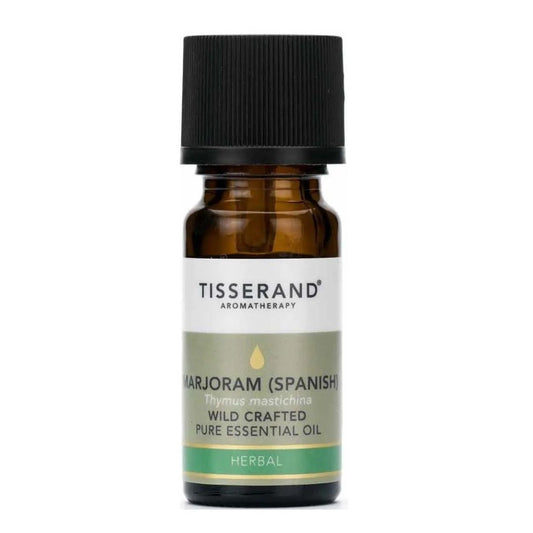
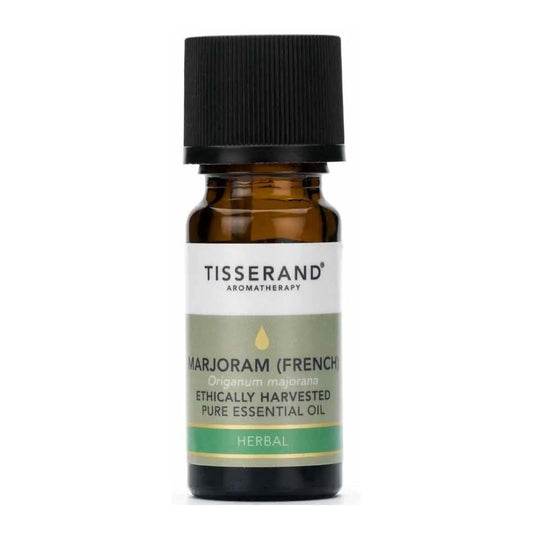
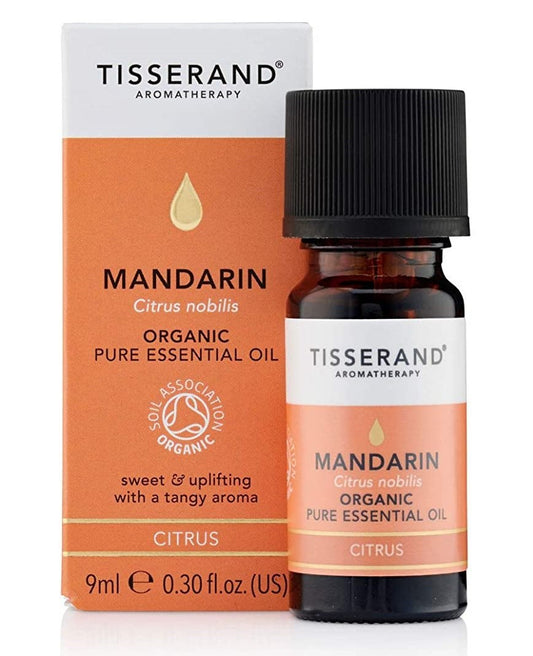
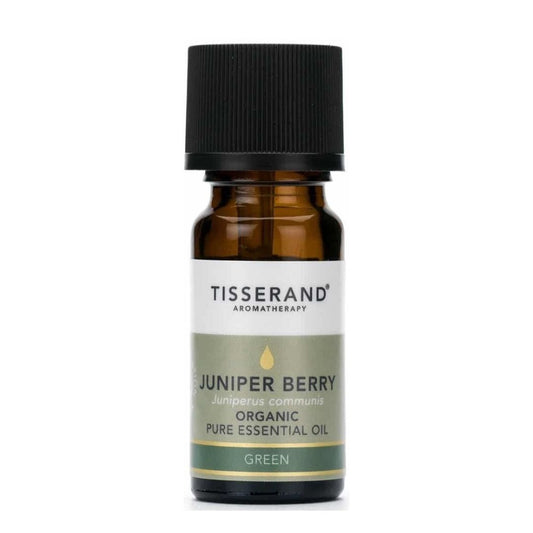
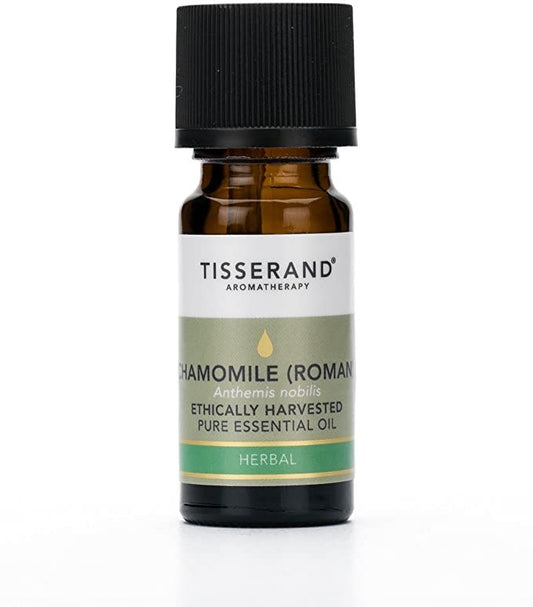
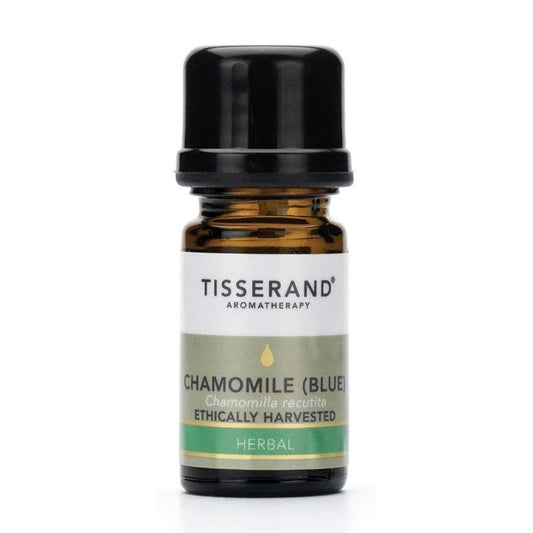
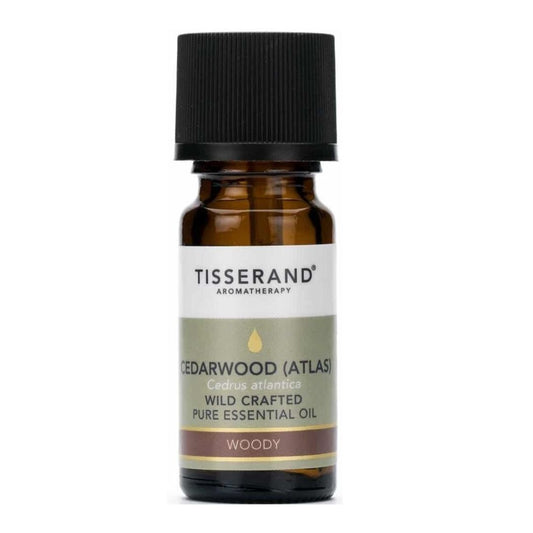
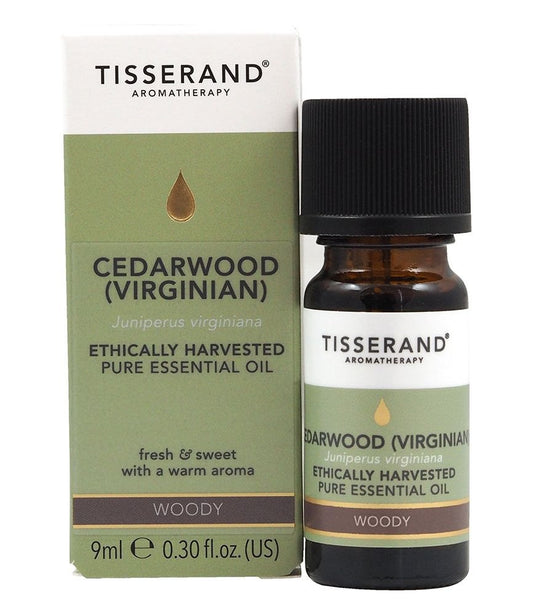
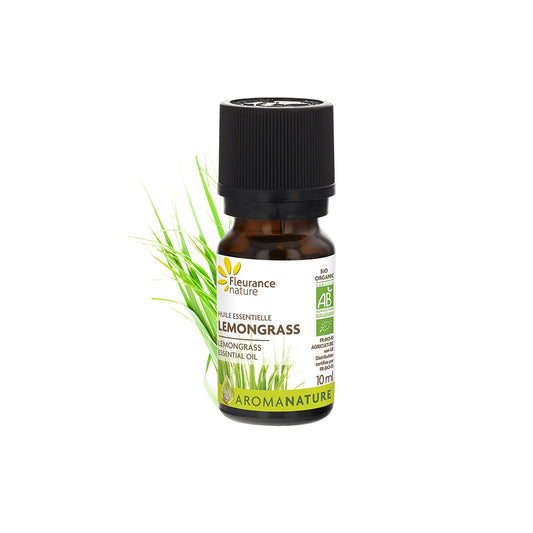
Essential oils are highly potent compounds. You have most likely come across them in many different contexts. They are aromatic and powerful plant extract concentrates that capture the properties of the plant in their purest form. Essential oils are produced by steam distillation, cold pressing, or tapping resin. A small bottle of essential oil typically requires several kilograms of fresh raw material. It is telling that 4-5 tons of rose petals are needed to produce one liter of rose essential oil.
All parts of a plant can contain essential oil: the flower, leaf, wood, root, bark, or fruit. In fact, several different essential oils can be extracted from the same plant.
Likewise, depending on the cultivation method (organic or otherwise), climatic conditions, origin, or time of year, the same plant may synthesize essences with different compositions and therefore different effects.
Uses of essential oils
Essential oils are most commonly used in 3 different ways: aromatically, topically, and internally. We will now tell you more about these ways of using essential oils.
Aromatic use of essential oils
Aromatic use is probably the most familiar and common method. It means smelling and inhaling oils by adding drops to, for example, a diffuser, warm water, or laundry vinegar. It is easy to become captivated by essential oils through their scents, as fragrances are one of the easiest ways to find the desired mood and state of being. The sense of smell is the most direct route to the brain. Essential oils have many different aromatherapeutic effects on the mind and body.
Essential oils are often added to sachets that release fragrance into a room for a long time. Scent sticks have the same effect. The advantage of a diffuser is the moisture it adds to the room air in addition to its wonderful scent. This allows the scent molecules to spread evenly and quickly. The scent of essential oil mixed into laundry vinegar travels with you through your clean clothes all day. Citrus added to cleaning products, meanwhile, freshens the entire home.
Topical use of essential oils
Oils can also be used topically by adding a couple of drops to massage oil or combining them with moisturizer to enhance skincare. Oils are quickly absorbed through the skin, so their benefits appear rapidly. Through the skin, essential oils affect circulation, lymphatic flow, and the nervous system.
Like perfumes, essential oils should be applied to the body's pulse points. These include the wrists, neck, and feet. At pulse points, blood flows close to the surface of the skin, which enhances the effects of essential oils.
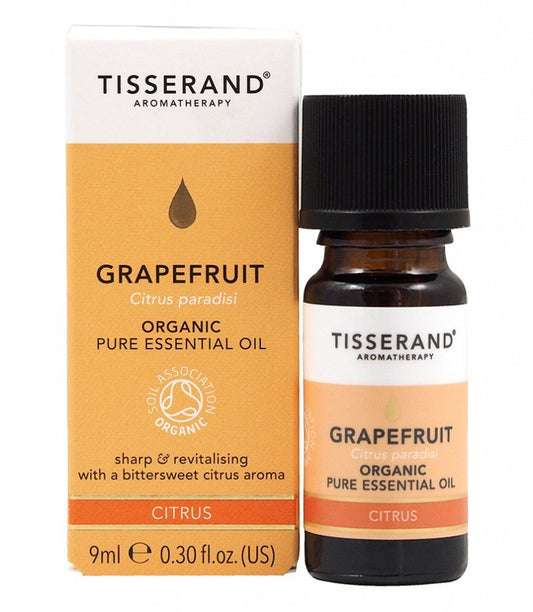
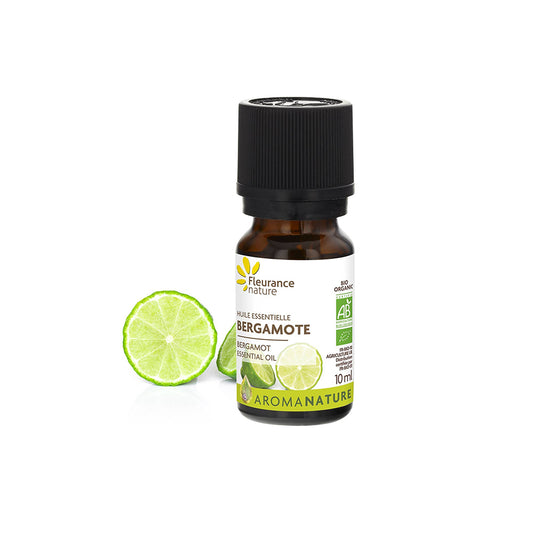
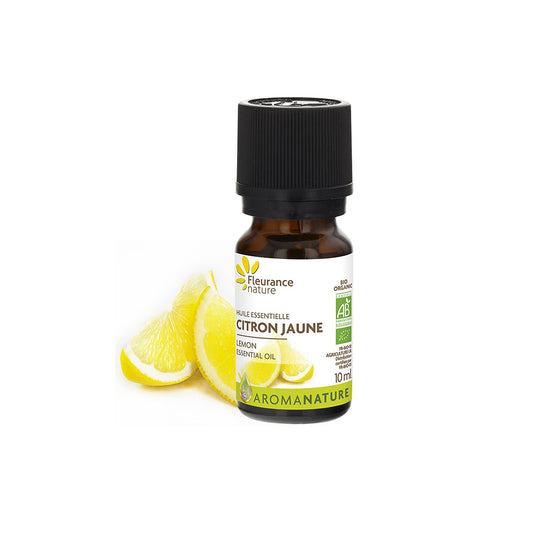
However, note that essential oils from citrus fruits (orange, bergamot, lemon, etc.) are photosensitizing. Do not expose yourself to the sun for 12 hours after application.
Oils can nevertheless be applied to many areas of the body (such as the abdomen, chest, temples, and neck…). However, avoid particularly sensitive areas such as the eyes, ears, nose, mucous membranes, and the surrounding skin. The safest place to begin topical use of essential oils is the feet. The skin on the soles of the feet is thick, and you can easily monitor the effects of essential oils by applying oil to the soles overnight. Remember to use them safely and add one drop of essential oil to your foot cream.
Try essential oils in bath water as well. Combined with, for example, softening and relaxing Epsom salt, the experience has a true spa-like atmosphere. However, do not add the oil directly to the bath water; first mix a couple of drops with Epsom salt, then dissolve the mixture in warm water.
Internal use of essential oils
For many people, using essential oils internally is still less familiar. Caution is warranted, as essential oils are extremely potent, and far from all essential oils are recommended for internal use. Essential oils intended for internal use must always be diluted properly and generously. Adding one drop to a sugar cube or a neutral tablet goes a long way.
Essential oils are generally not intended for internal use, but most Fleurance Nature products can also be used internally. We always recommend consulting your own doctor if you are unsure about using an essential oil internally or have no experience with their effects.
Essential oils can also be used in the sauna. Read more:
The relaxing magic of the sauna - essential oils as part of your sauna session
How do essential oils work?
Pure essential oils do not dissolve in water. They can be mixed with other oils, and combining different essential oils allows you to create your own interesting blends. You can also combine the effects of different essential oils. There are many of them. Their small usage quantity can be misleading, as essential oils contain vast amounts of active compounds in concentrated form. For example, lavender essential oil contains nearly 300 of them.
Essential oils have characteristic effects based on the raw material used. For example, lavender is relaxing and citrus oils are invigorating. Many woody scents are suitable for purifying indoor air. In essential oils, cinnamon has an antioxidant and stimulating effect.
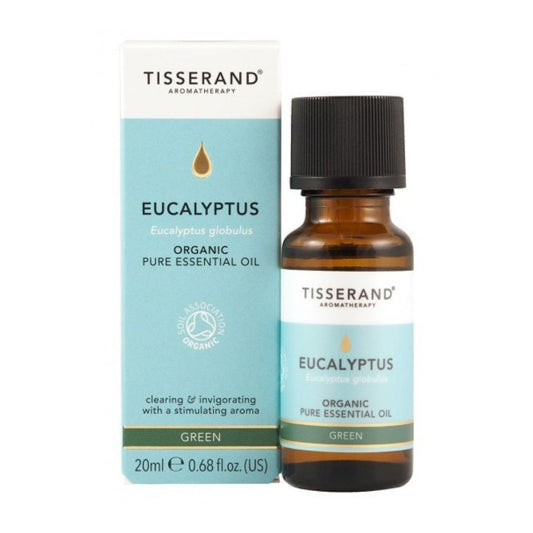
When you have a cold and breathing is difficult, you can try adding a couple of drops of eucalyptus or peppermint to a diffuser at night. It effectively opens the airways and makes breathing easier during the night. Peppermint is also known to aid digestion.
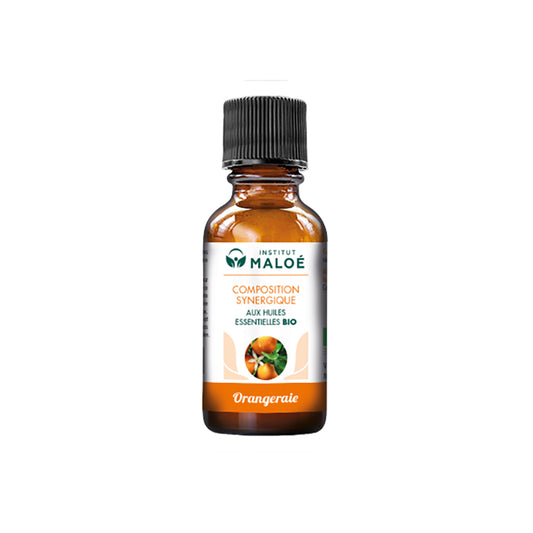
During stressful periods, a drop of lavender on the corner of your pillow can help you sleep more peacefully and with less stress. Bergamot, meanwhile, strengthens the immune system. Clove is especially suitable for the cold season. It has a calming and warming effect. Sweet orange creates a sunny, peaceful, and relaxed atmosphere around it.
Shelf life of essential oil
If you protect the bottle from light, keep it away from heat, and store it in a dry place, pure essential oil will last for 5 years even after opening. Citrus and resinous essential oils, which are more fragile, can only be stored for one year after opening because they oxidize very quickly.
3 tips for identifying expired oil
- the original scent has changed
- the appearance has become darker
- the viscosity, or consistency, has changed
Did you know?
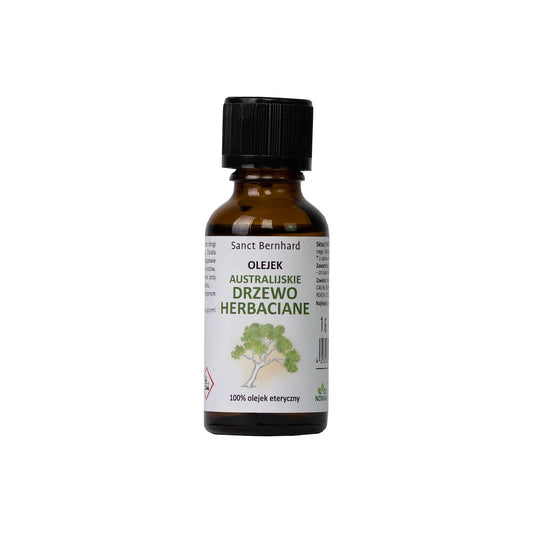
Essential oils are sensitive to the sun's ultraviolet radiation and to evaporation. That is why they are supplied in colored, tightly sealed glass bottles.
How to dispose of expired essential oil?
You can take essential oils to a pharmacy, where they will be disposed of appropriately. However, we recommend recycling them. Expired oil is no longer suitable for use on the skin, but it can be recycled by adding a few drops to, for example, potpourri to revive its scent. You can also try putting drops on a tissue, piece of fabric, or cotton wool and placing it in your wardrobe. Lavender essential oil is a natural moth repellent.
You can also remove bad odors from, for example, a garbage bin or garbage cupboard by adding citrus essential oils to the bottom of the bin or a corner of the cupboard. Citrus neutralizes odors. Citrus oils are also excellent for cleaning, so you can add them to vinegar to freshen floors or bathrooms.
Consider family members
Remember that essential oils are not recommended for pregnant people, children, or animals in general. However, a school-age child may already benefit from steam inhalation during cold season and from the beneficial effects of essential oil gently diffused into the room air.
Read more about essential oils:
The relaxing effect of the sauna - essential oils as part of your sauna session
How to identify genuine essential oil and distinguish it from counterfeits