
Everything you need to know about collagen
Share
What is collagen?
Collagen is a protein that makes up about 30-40% of the body's proteins. It provides strength and elasticity to tissues. Collagen is especially found in the following parts of the body:
- Skin – Collagen helps keep the skin elastic and smooth.
- Joints and cartilage – Acts as a lubricant for joints and a building material for cartilage.
- Skeleton – Helps maintain the strength and flexibility of bones.
- Muscles – Supports the structure and endurance of muscles.
- Hair and nails – Strengthens hair and nails, promoting their growth.
Different types of collagen and their significance
There are several types of collagen, the most important of which are:
-
Type I collagen – The most common in the body, forming skin, bone, and tendon material. Most often used in supplements and beauty products.
-
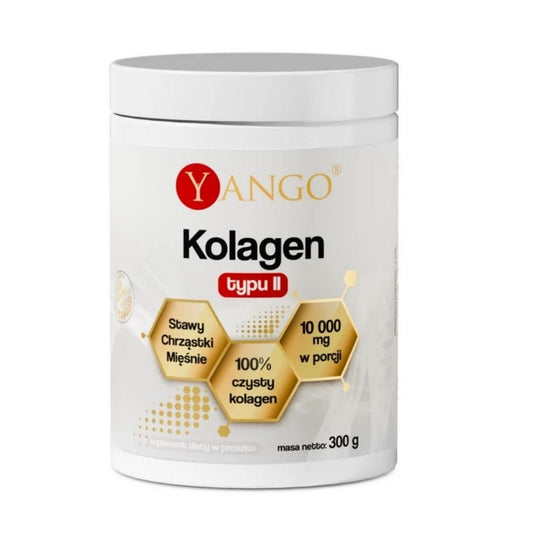
Type II collagen – Essential for the health of cartilage and joints.
Helps maintain joint mobility and prevent symptoms of joint pain. Commonly used in products targeted at athletes and those with joint issues.
-
Type III collagen – Found especially in blood vessels and adipose tissue, supports tissue elasticity. Useful for maintaining overall body wellness.
-
Type IV and V collagen – Important for the renewal of cartilage, bones, and tissues. Found in the deeper layers of the skin and in cell membrane structures.
Less well-known but still important for the body's overall function.
Why is collagen intake as a supplement important?
Collagen production begins to slow down after the age of 25, and its decline with age can cause various signs of aging, such as:
- Wrinkling and sagging of the skin
- Joint wear and pain
- Weakening of hair and nails
- Bone fragility
Collagen supplements can help slow these changes and support the body's structures. Studies show that consuming hydrolyzed collagen can promote skin elasticity and moisture balance as well as improve joint mobility.
Is there plant-based collagen?
Collagen is an animal-derived ingredient, so it is not available from plants. There are products on the market that boost the body's own collagen production without containing any animal collagen. However, the effectiveness of these products is relatively limited and relies on the body's ability to produce collagen itself. This ability naturally declines with age. Such products are an alternative if you prefer not to use animal-based collagen supplements.
Helpful combinations: Collagen and other nutrients
To ensure collagen is absorbed and benefits the body in the best possible way, it should be combined with the following nutrients:
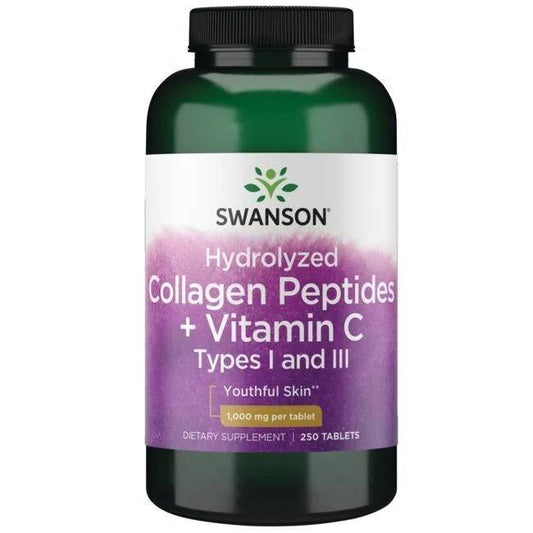
- Vitamin C – Promotes natural collagen formation.
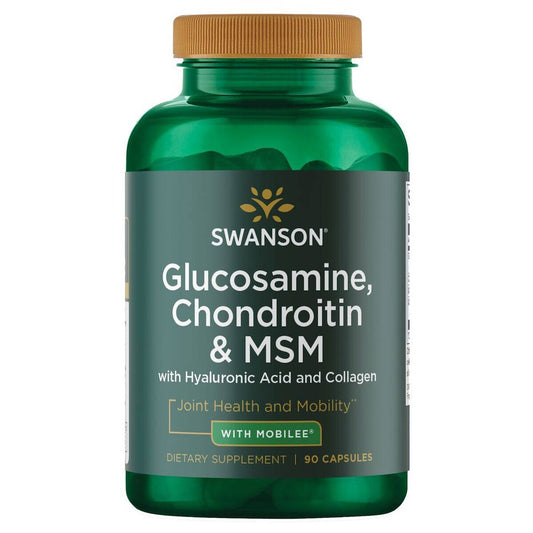
- Hyaluronic acid – Helps bind moisture to the skin and joints.
- Zinc and copper – Support skin and hair health.
- Amino acids (glycine and proline) – Building blocks of collagen that help the body produce its own collagen.
Choosing and using collagen supplements
When choosing a collagen supplement, pay attention to the following:
- Hydrolyzed collagen is absorbed best.
- Bovine collagen is a common choice for supporting skin and joints.
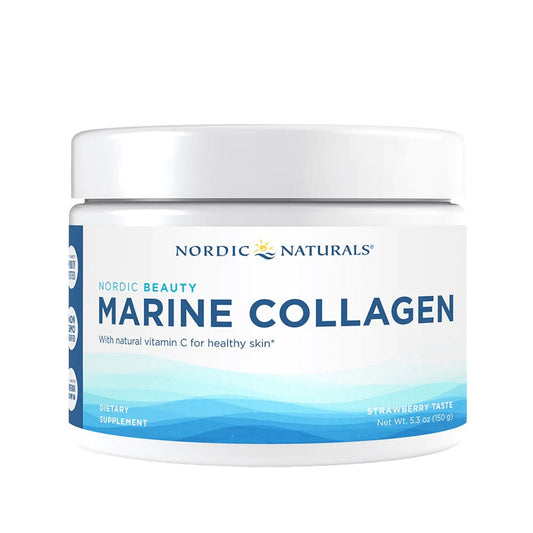
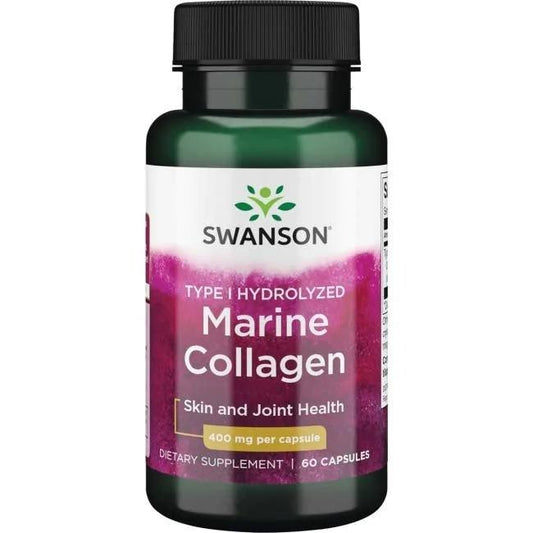
- Marine collagen is absorbed effectively and especially supports skin health.
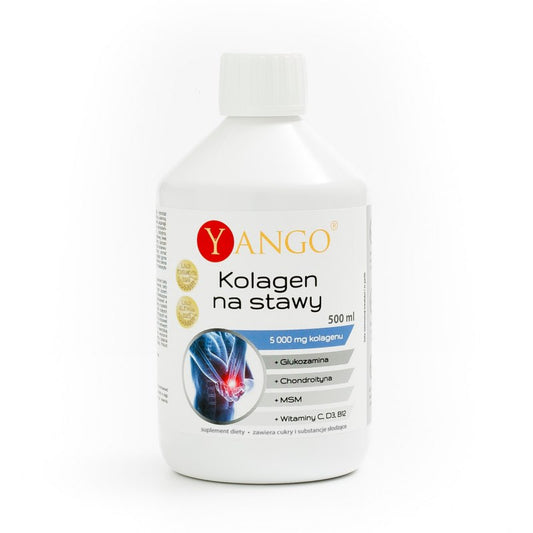
- Collagen products targeted for joints often contain type II collagen.
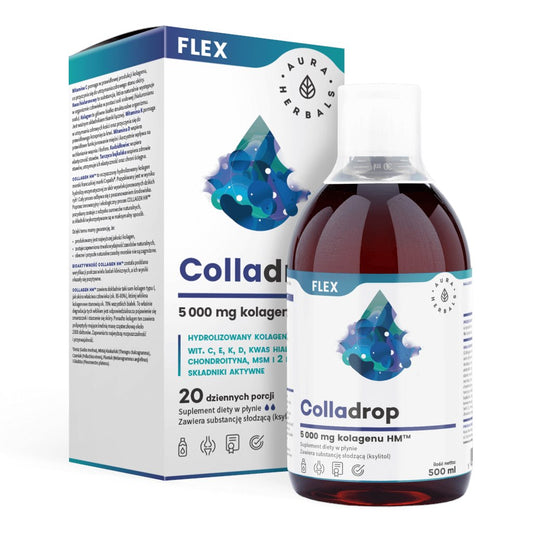
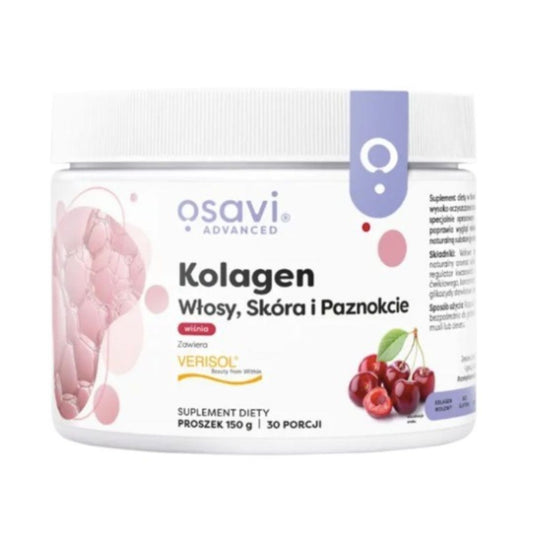
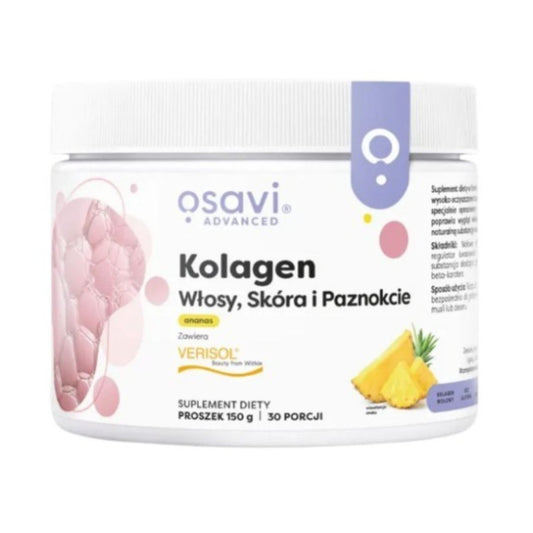
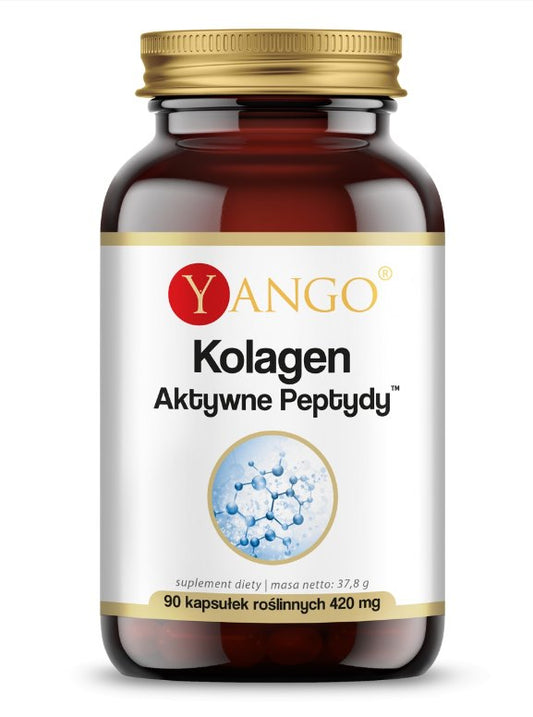
Collagen supplements can be taken as powder, capsules, or drinks according to personal preference. There are many different products on the market. Recommended doses vary, so check the usage instructions for each product. Generally, collagen supplements are recommended for long-term and regular use to achieve the best benefits.
Frequently asked questions about collagen
1. How quickly does a collagen supplement work?
Effects typically appear after 4–8 weeks of use, but results vary individually.
2. Can collagen be obtained from food?
Collagen is found in bone broth and gelatin, for example, but supplements are the most effective way to increase intake.
3. Is collagen safe?
Collagen supplements are generally well tolerated, but it is recommended to choose high-quality products without unnecessary additives.
IN SUMMARY
Collagen is an essential protein for the body that supports the health of skin, joints, bones, and muscles. Because its natural production decreases with age, supplements can help maintain the body's health and functionality. When choosing collagen products, consider their quality and combination with other important nutrients such as vitamin C and hyaluronic acid to maximize their benefits. A collagen supplement can be a valuable addition to the daily routine of anyone aiming for well-being.